jewish burial customs embalming
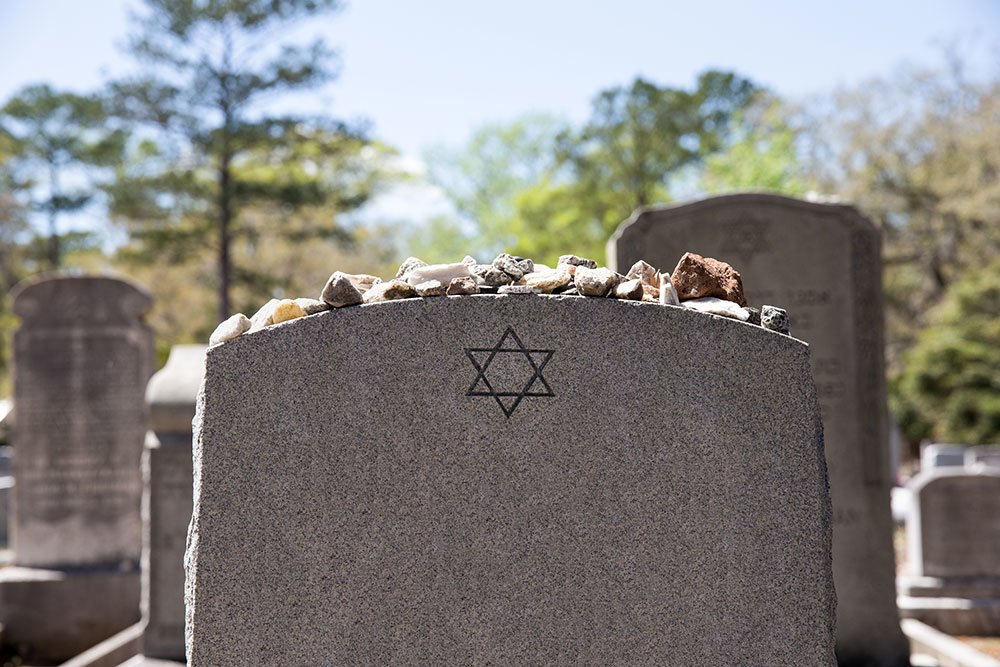
Cremation is against Jewish tradition because it is. Other Burial rules and customs Placing Stones on Headstones Time of Death Rituals After death the entire body must be washed thoroughly.

Complete Guide To Jewish Orthodox Burial Rituals And Caskets Trusted Caskets
Jewish law prohibits embalming a person even when embalming is specifically requested in a will.
. Anything less is considered a humiliation of the dead Greenberg explains. Therefore the casket must be made entirely from wood with several holes drilled in the bottom to hasten decomposition and the bodys return to earth. There are however several exceptions to the general prohibition of embalming.
As such no embalming is allowed and the funeral is typically closed casket. According to the Jewish Encyclopedia this custom stems from the Mosaic Law which ordered that any person hung from a tree or cross as a form of execution should be taken down and buried within a day after death. A Jewish funeral ceremony is called a ceremony is called a Levayah accompaniment.
Embalming Cremation Jewish tradition does not permit the embalming of the deceased unless it is required by civil law. When a lengthy delay in the funeral service becomes mandatory. 1 Rules About Burials Both traditions require the prompt burial of the dead.
Today embalming before burial is widely practiced in the United States by undertakers who inject a formalin solution into the blood vessels. There are also strong Jewish beliefs around cremation namely that cremation isnt allowed. Jewish tradition regards it as a matter of great importance that only fellow Jews should handle the body of a deceased Jew carry or wheel the casket place the casket in the earth and fill in the grave.
Its purpose is to assist in maintaining the customs and traditions of the Jewish People to help the mourners provide a funeral for their loved. By prohibiting embalming and unnecessary delay in burial Jewish tradition draws a very distinct line between respect for the dead and worship of the dead. The hands and feet were tied with strips of cloth.
In Mark 538 funeral preparations for Jairuss daughter begin right away and in John 11 Lazarus is buried on his day of death. Jewish Burial Customs 1. It is called this way because at Jewish funeral traditions calls for accompanying the body to the place of burial.
It is then submerged in water or its poured over the body which is a ritual bath called taharah. As these customs vary widely within the Jewish com-munity this short guide is designed to provide information. The dead must be separated by a distance from places of human habitation and confined to areas for them alone.
But in Israel it is rare being confined entirely to bodies being sent abroad for burial in conformity with international regulations. Jewish burials take place as quickly as possible following a principle of honoring the dead kvod hamet. The Jews buried their dead quickly after death usually on the same day.
If you are Jewish then be aware that Jewish law says that Jews should not be embalmed and should not be viewed during or just before the funeral. In many areas a vault is required by civil law and is. Jewish funerals happen quickly and are very simple.
According to Mishnah Sanhedrin 66 a corpse should be kept unburied overnight only on rare occasions. Only if immediate relatives cannot arrive in time from abroad or there is not enough time for burial before Shabbat or a holiday are burials postponed for a day. Jewish burial customs the aron be simple yet dignified eg a plain pine box no metal or decoration.
Embalming of the deceased is not allowed according to Jewish law. Burial is also not allowed on some Jewish holidays. The traditional Palestinian preference for prompt burial continued throughout the first century.
As per Jewish law the body is washed Tahara but not embalmed before being buried in a plain shroud in accordance with Jewish tradition. A Jew should be buried only among fellow Jews in a Jewish cemetery. The deceased is then dressed in white burial shrouds.
As soon as death was certain the deceaseds eyes were. A group of Jewish men and women known as the Chevra Kadisha oversee this process ensuring that the body is protected and prepared according to Jewish funeral customs. A fundamental principle of Jewish belief the impurity of the dead underpins many of the customs related to death and burial defined in halakhic law for example Numbers 19.
When burial is to take place overseas. A Jewish funeral service generally incorporates many rituals and customs that are set forth in the Torah according to Jewish law. Traditional Jewish funeral customs will not display the deceased body.
And while this law applies directly to the bodies of executed criminals the Hebrews generally applied it to everyone. Here are a few common Jewish burial customs and Jewish death rituals. Islam and Judaism forbid embalming and routine autopsies as desecration of the dead.
Every possible effort should be made that this indeed be the case. Aside from the Chevra. A traditional Jewish burial and funeral are prevalent among the Orthodox and Conservative sects with modifications under Reform Judaism and Reconstructionists.
Jewish burial timing encourages families to complete the burial as soon as possible. Jewish law prohibits Cremation and embalming. Traditional Jewish funerals use only natural.
Thus the importance of cemeteries. Jewish law requires the body be allowed to return to the earth as soon as possible. By the time of Christ the custom was that the body was elaborately wrapped in a shroud and the face was covered with a special cloth called a sudarium.
When governmental authority demands it. In these cases all required because of health regulations Jewish law permits certain forms of embalming. Guiding principal for Jewish burial and mourning customs.
However it is permitted--and even recommended--for those who love the one who has died to visit the funeral home and be with the body. The burial is an important part of Jewish funeral customs. Second according to the thinking of the time leaving a body unburied for days showed dishonor to the deceased and his family.
Once this was done relatives and friends could come to the home to say goodbye to the deceased for the last time. The community frowns on complicated and. First dead bodies decompose quickly in the hot climate of the Middle East.
Reply Ann New Orleans August 14 2020 in response to Benjamin. Ideally the body is to be buried on the same day of the death. Burial is considered the best way to allow the body to decompose naturally.
There were two reasons for such prompt action. Traditions Customs for Jewish Funeral Services. Both embalming and cremation are traditionally forbidden though many Jewish communities.

The Royal Mummy Of King Tutankhamun Wrapped In Linen Bandages Enfolding Over 150 Carefully Placed Sacred Jewel Tutankhamun Egyptian Era Egyptian Mummies

Victorian Funerals Funeral Victorian Memento Mori

That The World May Know Burial Practices

Jewish Mourning Faq My Jewish Learning

The Mitzvah Of Burial And The Honor Of The Dead Chayei Sarah 5776 Gateways Org
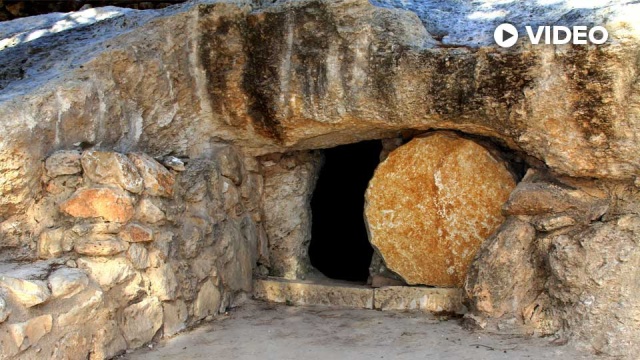
The Tomb Of Jesus First Century Jewish Burials

Jewish Mourning Faq My Jewish Learning
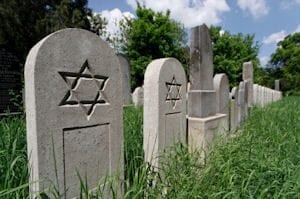
Jewish Burial Customs
Jewish Burial Customs Welcome To Willowbrook Cemetery Located In